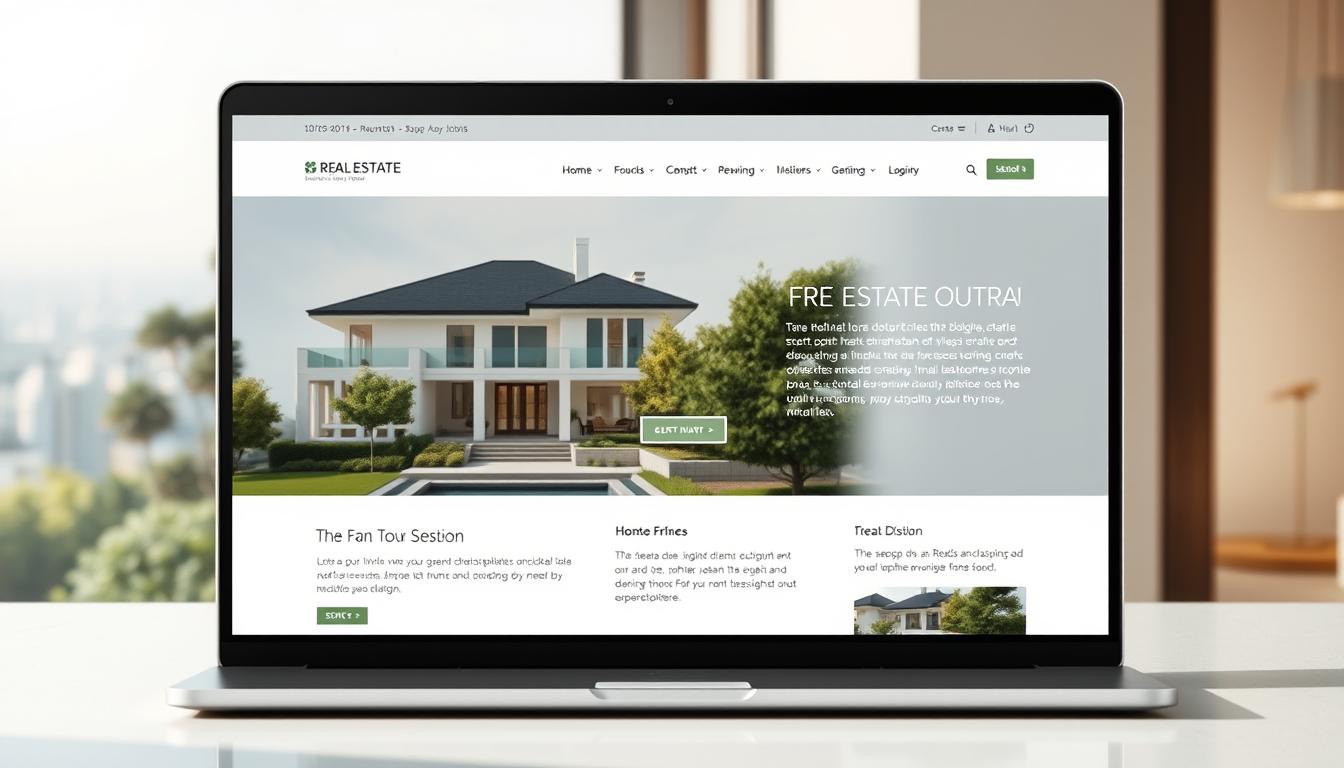
The real estate world has changed a lot lately. This is because of digital marketing’s rise. Realtors need to keep up with these changes to stay ahead.
Effective digital marketing strategies are key for realtors to find new clients and show off their listings. This guide will cover why internet marketing for realtors is important. It will also show you strategies to succeed online.
Key Takeaways
- Understanding the shift towards digital marketing in real estate
- Identifying effective digital marketing strategies for realtors
- Learning how to leverage online platforms for real estate marketing
- Discovering the importance of a strong online presence
- Exploring ways to measure the success of digital marketing efforts
Understanding Internet Marketing Basics
Realtors need to know the basics of internet marketing to promote their services online. Today, having a strong online presence is key to finding clients and beating competitors.
Internet marketing uses many strategies to promote online. Realtors use digital channels like search engines, social media, and email. This helps them connect with clients and showcase properties.
What is Internet Marketing?
Internet marketing, or digital marketing, uses online platforms to advertise real estate services. It includes SEO, PPC, social media, and content marketing. These strategies help realtors get noticed online, bring more visitors to their sites, and find new leads.
Importance for Realtors
For realtors, internet marketing is essential. It helps them reach more people, grow their brand, and stay competitive.
Knowing their target market and creating customer personas are key steps for realtors. The National Association of Realtors (NAR) says this helps small businesses, like real estate agencies, focus their marketing on the right people.
- Enhances online visibility
- Drives website traffic
- Generates leads
- Supports realtor branding online
By using internet marketing, realtors can boost their online presence and build a strong brand. This is crucial for lasting success in real estate.
Building an Effective Online Presence
A strong online presence is key for real estate success. Realtors need the internet to show listings, connect with clients, and build their brand.
A professional website is crucial for realtors. A report by The Close shows most homebuyers start online. So, a website is vital for reaching clients.
Website Essentials for Realtors
A realtor’s website should be more than a brochure. It should be a dynamic platform with valuable info and a smooth user experience. Important features include:
- Responsive design for all devices
- Easy navigation and clear listing categories
- Clear contact info and social media links
- Customer testimonials and reviews
- A blog or news section for market insights
These features help realtors showcase listings and show their market knowledge.
Branding Your Real Estate Business
Strong branding is essential for realtors. It means having a consistent look and feel online, including the website, social media, and emails.
Good branding for realtors includes:
- A unique and memorable logo
- A consistent color scheme and typography
- A compelling brand message for the audience
- High-quality visuals and engaging content
Consistent branding builds trust and recognition. This leads to more leads and sales.
Leveraging SEO for Real Estate Websites
To stand out in the real estate market, a strong SEO strategy is key. In today’s digital world, having a strong online presence is vital. It helps realtors attract potential clients and stay ahead.
SEO, or Search Engine Optimization, boosts website traffic by ranking higher in search engines. For realtors, this means showing up in search results when people look for properties or services. It’s about optimizing your website for local searches.
Keyword Research Strategies
Keyword research is the base of a good SEO strategy. It’s about finding the words and phrases people use to search for real estate online. Here’s how to do it:
- Identify your niche: Know the specific services you offer, like residential or commercial real estate.
- Brainstorm seed keywords: Make a list of broad terms related to your services, like “homes for sale” or “real estate agent.”
- Use keyword research tools: Tools like Google Keyword Planner, Ahrefs, or SEMrush help expand your list. They show search volume and competition.
- Analyze competitor keywords: Look at what keywords your competitors use. This helps find gaps and opportunities.
By following these steps, you can create a detailed list of keywords. This improves your website’s visibility in search engine results.
On-Page SEO Best Practices
On-page SEO means optimizing individual web pages for better search engine rankings. For realtors, this includes optimizing titles, descriptions, headings, and content. Here are some best practices:
- Optimize page titles: Make sure each page has a unique, descriptive title with target keywords.
- Write compelling meta descriptions: Create descriptions that make users want to click through from search engine results.
- Use header tags: Organize content with H1, H2, and H3 tags. This improves readability and highlights important keywords.
- Create high-quality, keyword-rich content: Develop content that adds value to users and naturally includes target keywords.
By following these on-page SEO best practices, realtors can boost their website’s search engine rankings. This drives more qualified leads to their site.
Utilizing Social Media Platforms
Social media is key for realtors to connect with potential clients and get leads. Most homebuyers start their search online. So, having a strong social media presence is vital for realtors to compete and reach their audience.
Best Social Media Sites for Realtors
Not all social media platforms are the same for real estate marketing. Here are the top ones for realtors:
- Facebook: With over 2.7 billion monthly users, Facebook is a huge platform for realtors. They can promote listings, share updates, and connect with clients.
- Instagram: Perfect for showing off properties with great photos and videos. It’s a favorite among realtors and homebuyers.
- LinkedIn: A professional site for realtors to network, share insights, and show their expertise.
- Twitter: Realtors can share quick updates, market news, and have real-time conversations with potential clients.
Creating Engaging Content
To make the most of social media, realtors need to create content that speaks to their audience. Here are some tips:
- Use High-Quality Visuals: Include great photos and videos of properties, neighborhoods, and events to grab attention.
- Share Client Testimonials: Positive feedback from clients can boost credibility and attract new leads.
- Provide Valuable Information: Share market updates, home buying tips, and community news to show your knowledge.
- Engage with Your Audience: Reply to comments, answer questions, and keep up with trends and interests.
By using these social media strategies, realtors can improve their online presence, get leads, and increase sales.
Email Marketing Strategies for Realtors
Email marketing is a key tool for realtors to grow their brand and attract clients. It helps them keep in touch with clients, promote their services, and boost sales.
Building Your Mailing List
Starting a strong mailing list is crucial for email marketing success. Realtors can gather email addresses from their website, social media, and current clients.
- Use opt-in forms on your website to capture email addresses.
- Offer incentives, such as free market reports or guides, to encourage sign-ups.
- Segment your list to personalize your emails and improve engagement.
Crafting the Perfect Newsletter
A great newsletter keeps you in your clients’ and prospects’ minds. Focus on adding value to your readers.
- Include market updates and news relevant to your audience.
- Feature community events and local interest stories.
- Highlight your listings and provide tips for buyers and sellers.
Personalization and segmentation are essential for email marketing success. Tailor your content to meet your audience’s specific needs and interests. This boosts engagement and drives conversions.
- Use data and analytics to understand your audience’s behavior and preferences.
- Tailor your content to different segments of your mailing list.
- Continuously monitor and adjust your email marketing strategy based on performance data.
Online Advertising Options
Online advertising is key for realtors to reach more people. It helps drive traffic to their websites and can lead to more leads.
To use online ads well, realtors need to know their options. They should focus on pay-per-click ads and social media ads.
Pay-Per-Click Advertising
Pay-per-click (PPC) ads mean you pay for each ad click. For realtors, PPC is great for targeting specific groups and areas.
- Targeted advertising: Realtors can target users based on location, interests, and search history.
- Budget control: Realtors can set a budget for their PPC campaigns, ensuring they don’t overspend.
- Measurable results: PPC platforms provide detailed analytics, allowing realtors to assess the effectiveness of their campaigns.
Social Media Ads for Realtors
Social media is a big place for realtors to advertise. With billions of users on sites like Facebook and Instagram, they can reach many people.
- Visual advertising: Social media platforms are visually driven, allowing realtors to showcase properties through high-quality images and videos.
- Targeted demographics: Social media platforms provide advanced targeting options, enabling realtors to reach specific demographics.
- Engagement: Social media ads can encourage engagement, such as likes, shares, and comments, further increasing a realtor’s online presence.
To get the most from online ads, realtors should follow some tips:
- Clear and compelling ad copy
- High-quality visuals
- Continuous monitoring and optimization of ad campaigns

By using pay-per-click ads and social media, realtors can boost their online presence. They can drive more traffic to their sites and grow their client base.
Content Marketing Strategy
A good content marketing plan is key for realtors to shine online. They need to make high-quality, relevant content to draw in and keep potential clients interested.
Placester says realtors who blog often see a big jump in website visitors and leads. A solid content marketing strategy helps realtors gain trust and credibility with their audience.
Types of Content to Create
Realtors can make many types of content to reach different parts of their audience. Some great types include:
- Blog posts about local real estate trends and market updates
- Community guides and neighborhood spotlights
- Home buying and selling tips
- Video tours of properties
- Testimonials and success stories
By mixing up their content, realtors can attract more people and show they’re experts in their field.
Importance of Blogging
Blogging is a big part of a realtor’s content marketing plan. Posting often with useful and interesting blog posts can bring more people to their website. It also helps them be seen more online.
Also, blogging lets realtors show off their knowledge and skills. This helps build trust with potential clients. By answering common questions and concerns, realtors can be seen as trusted advisors in the real estate world.
Implementing Video Marketing
In today’s digital world, video marketing is key for realtors to show off properties and connect with clients. It lets them offer a deeper look, helping clients see properties and areas better.
Benefits of Video in Real Estate
Video marketing brings many perks for realtors. It boosts engagement, visibility, and how properties are shown. The Close says it makes properties more real for potential buyers.
- Property tours: Showcase properties from the comfort of clients’ homes.
- Neighborhood guides: Provide insights into local amenities and community features.
- Client testimonials: Share success stories and build credibility.
Best Practices for Creating Videos
To make video marketing work, realtors need to create top-notch, engaging videos. This means:
- Investing in good camera equipment and editing software.
- Developing a script that highlights key property features and neighborhood benefits.
- Optimizing video titles, descriptions, and tags for search engines.
By sticking to these tips, realtors can make videos that really speak to their audience. This boosts their online presence.
Online Reputation Management
A good online reputation is key for a realtor’s success. Today, people check the internet before choosing a real estate agent. This is because the digital world is full of reviews and opinions.
Customer Reviews Matter
Online reviews shape a realtor’s reputation. The National Association of Realtors (NAR) says they play a big role in a client’s choice. A good review can bring in new clients, while a bad one can scare them away.
- Positive reviews boost a realtor’s credibility and attract more clients.
- Negative reviews can harm a realtor’s reputation and scare off clients.
- Quickly responding to reviews shows a realtor values their clients’ opinions.
Responding to Customer Feedback
It’s important to respond to customer feedback. Realtors should answer both good and bad reviews quickly and professionally. This shows they care about their clients’ thoughts.
- Thank clients for positive reviews and show gratitude for their business.
- Address negative reviews by apologizing and offering solutions.
- Use feedback to improve services and make the client experience better.

By focusing on online reputation, realtors can gain trust and a strong online presence. This can lead to more leads and a thriving business.
Analyzing Marketing Performance
To see how well their online efforts are doing, realtors need to look into marketing analytics. They must understand the tools and metrics that show if their digital marketing is working.
By using the right tools and looking at key performance indicators, realtors can make their marketing better. This leads to better results.
Tools for Tracking Your Success
There are many tools to help realtors track their marketing success. These include:
- Google Analytics for website traffic and behavior analysis
- Social media insights for engagement metrics
- Email marketing software for campaign performance tracking
These tools give valuable data. This data helps realtors change their marketing strategies to do better.
Metrics That Matter
When checking marketing performance, some metrics are more important than others. These are:
- Website traffic and conversion rates
- Social media engagement and follower growth
- Email open rates and click-through rates
By focusing on these metrics, realtors can understand their marketing better. They can see what’s working and what’s not.
It’s important to regularly check and adjust marketing strategies. This is key for success in real estate digital marketing and effective realtor branding online.
Building a Network Through Online Tools
In today’s digital age, building a network online is key for realtors. It helps them reach more people and get leads.
Creating a strong online network lets realtors meet potential clients and partners. They can also connect with other industry professionals. This is done through different online platforms and tools.
Utilizing Real Estate Platforms
Real estate platforms are great for realtors. They increase visibility and connect them with many potential clients.
- Listings and property showcases
- Client reviews and ratings
- Networking opportunities with other professionals
By using these platforms well, realtors can boost their online presence. They can also attract new leads.
Engaging with Other Professionals
It’s important for realtors to connect with other industry professionals online.
They can do this through online forums, social media groups, and industry events.
By making connections, realtors open up new opportunities. They can share knowledge and stay current with trends.
Staying Updated on Internet Marketing Trends
It’s key for realtors to keep up with the latest internet marketing trends. This helps them stay ahead in the real estate market. As things change, realtors need to be quick to update their marketing plans.
Industry Insights and Leadership
Following industry leaders is important. It helps realtors see what’s coming and change their plans. They should read industry news, go to conferences, and join online discussions to learn the best ways to market.
Adapting to Consumer Behavior
Knowing how consumer behavior changes is crucial. Realtors need to be ready to change their marketing to meet client needs. They can use social media and email to connect with their audience.
By keeping up with marketing trends and adapting to consumer changes, realtors can stay competitive. They can reach their goals with effective digital marketing in real estate.